Local pest control across Sutton Coldfield, Lichfield & TamworthCall 0121 270 5560

Professional local help

Live Honey Bee Removal

Honey bees are valuable pollinators and are not treated like wasps. As experienced beekeepers, we aim to remove and re-home live honey bees wherever the location and condition of the colony make that possible.

What to look for

Common signs of a problem

  • A hanging cluster or swarm on a branch, fence or building
  • Steady bee traffic entering brickwork, a chimney or roof space
  • Buzzing or warmth from a concealed cavity
  • A newly arrived group of bees gathering around one point
How we help

A careful, practical approach

  1. 1

    Identify whether they are honey bees, bumblebees, solitary bees or wasps

  2. 2

    Assess the colony location and access requirements

  3. 3

    Use FLIR thermal imaging where helpful for concealed colonies

  4. 4

    Plan live removal and re-homing wherever reasonably possible

Prevention and aftercare

Helping reduce the chance of a return

Do not block an active entrance or spray the bees. Keep a safe distance, send us a clear photo or video on WhatsApp and wait for identification advice.

Genuine footage recorded during a Hulls Environmental honey-bee investigation.

Real honey-bee work

A substantial live honey-bee cluster

Lee Hull recorded this large live cluster gathered around the guttering of a property. Footage like this helps us assess the bees, their behaviour and the likely access point before recommending the safest appropriate course of action.

If you find a cluster like this, keep a safe distance, avoid spraying or blocking it and send us a clear photo or short video for initial identification advice.

A real Hulls removal

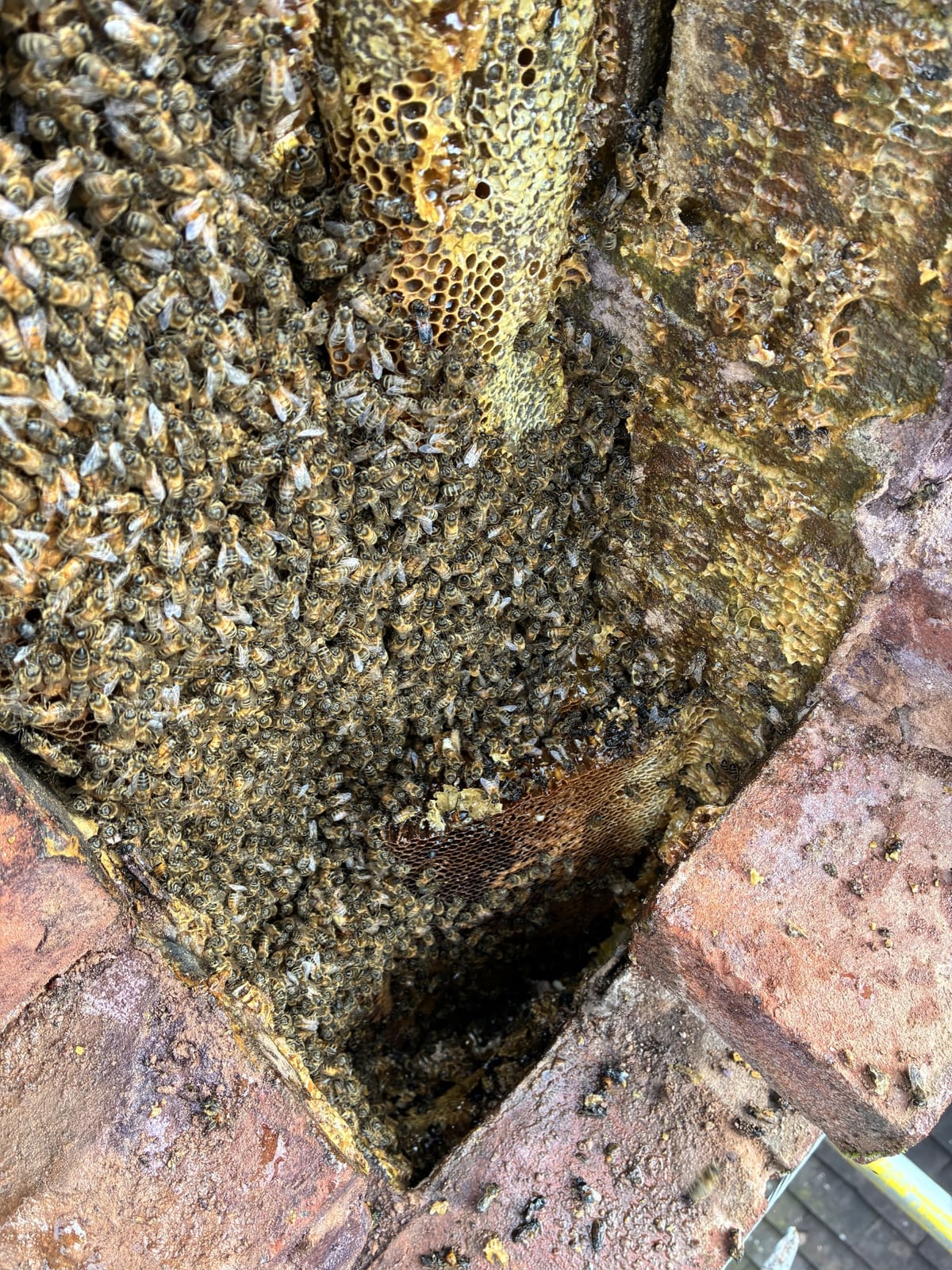
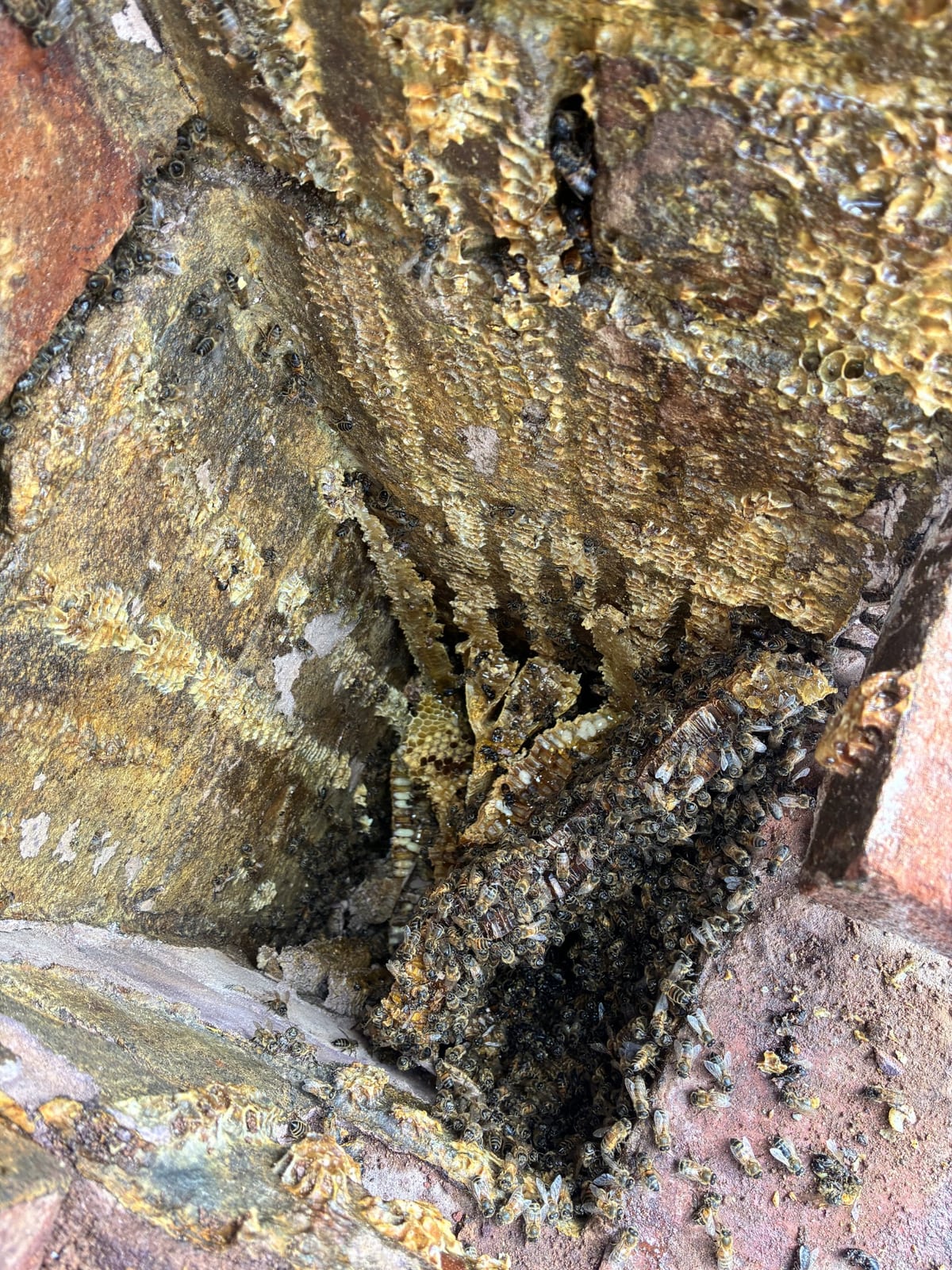
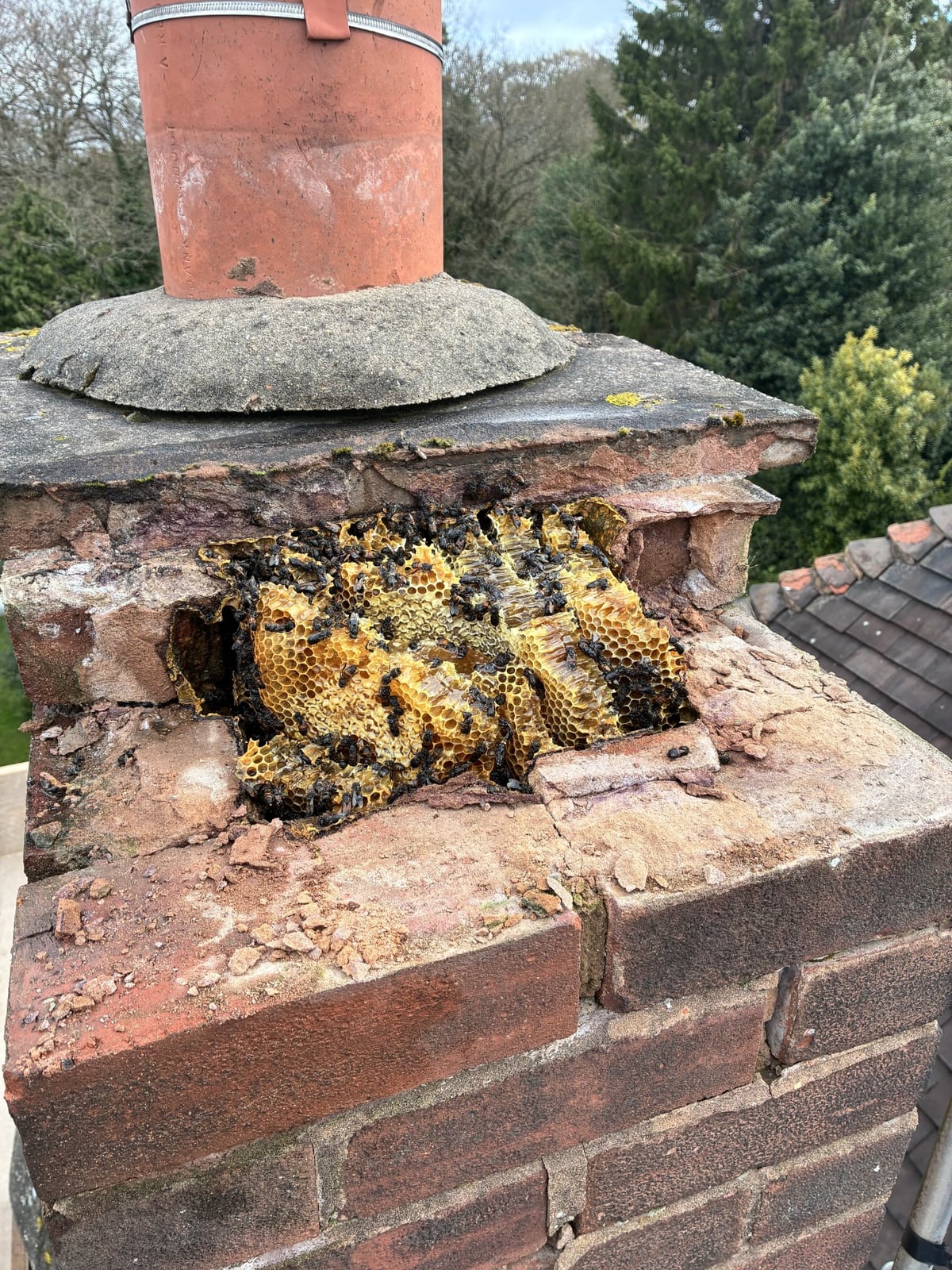
Honey bees removed from a chimney

This established honey-bee colony was concealed within the chimney structure. Careful access revealed extensive comb and a large number of live bees, allowing the colony and comb to be removed methodically rather than simply sealing the entry point and leaving the problem inside.

Exposed honey-bee colony and comb during removal from a chimney
The concealed colony exposedComb established within the chimney structure.
Close view of live honey bees and established comb inside a chimney
Live bees and established combA close view showing the scale of the colony.
Chimney cavity after most of the honey bees, wax and honey had been removed
Removal in progressAfter most of the bees, wax and honey had been stripped out.

Removing the bees is only part of the work. Accessible comb and residues also need to be dealt with appropriately, because abandoned honey and wax can attract pests, stain the building and encourage future bee activity.

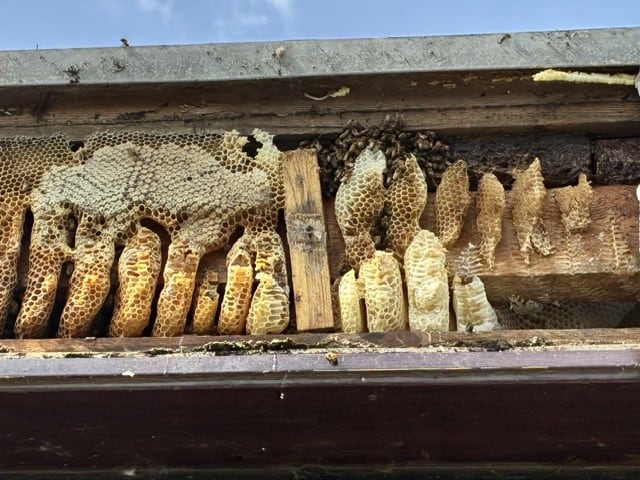
Established honey-bee comb exposed between timbers in a flat roof void

Real removal in Tamworth

Honey-bee colony in a flat roof void, Tamworth

At this Tamworth property, the roof void was carefully opened and extensive comb was found running between the structural timbers. This type of concealed colony requires controlled access and a methodical removal so the bees, honey and wax can be dealt with properly without causing unnecessary damage.

The photograph shows why watching the external flight path alone does not reveal the true position or extent of a colony hidden inside a building.

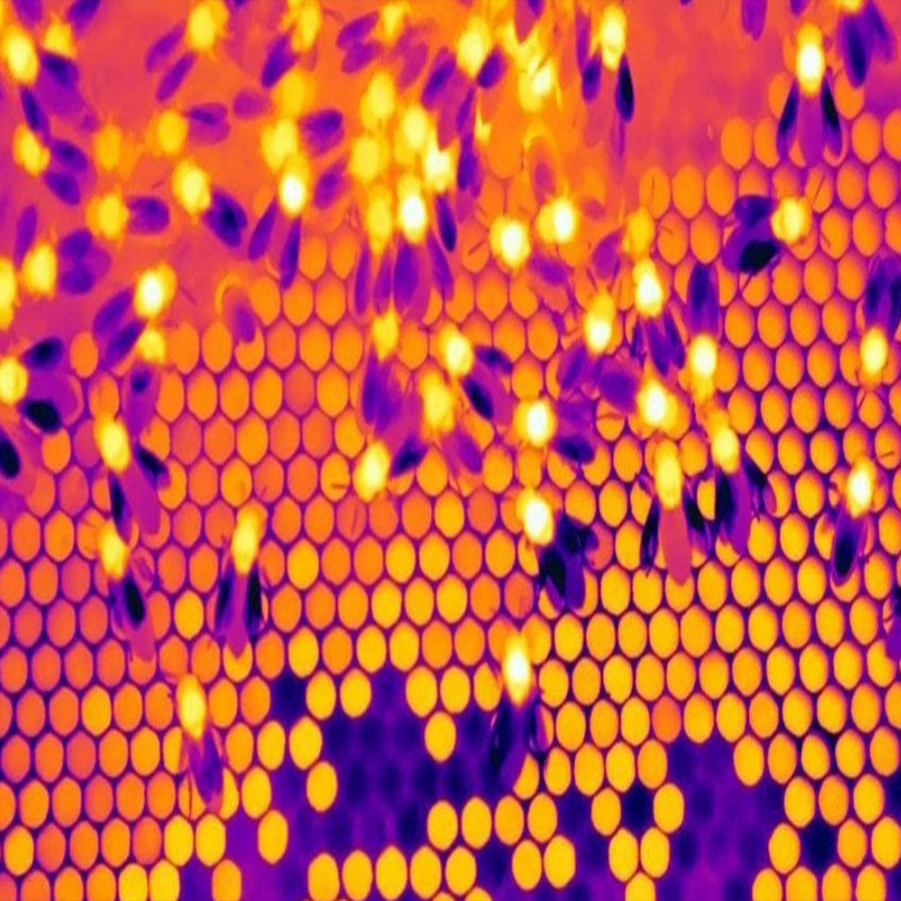
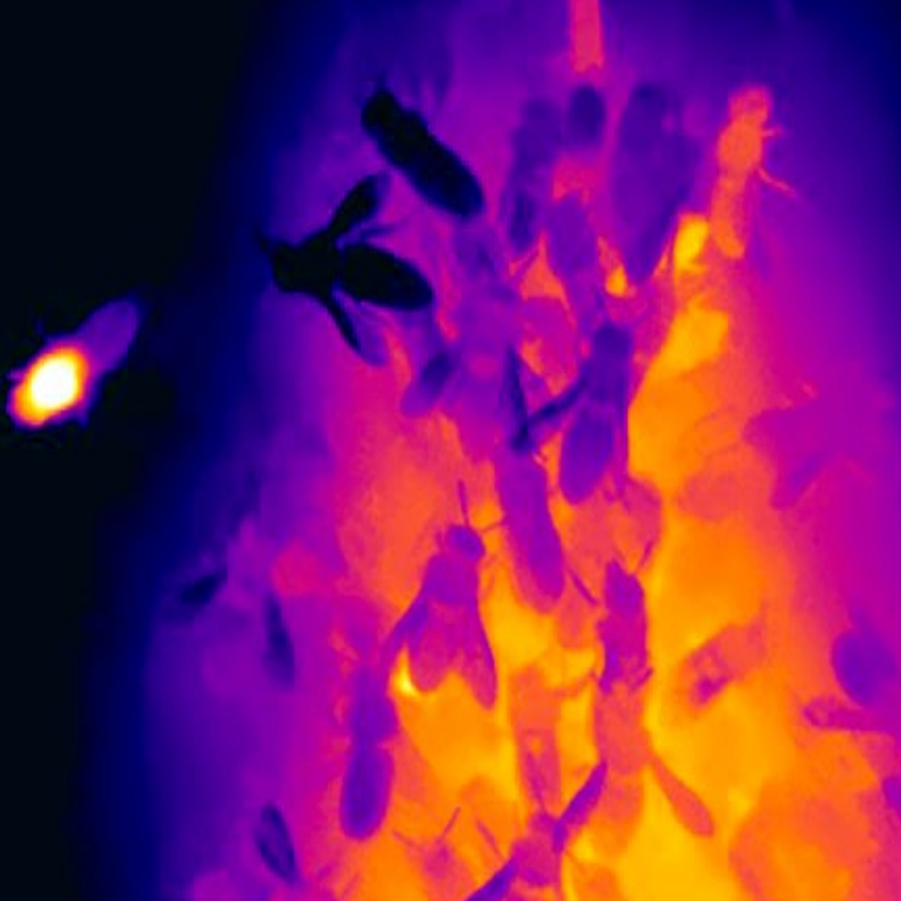
Thermal image showing honey bees moving across hive comb
Honey bees moving across hive comb
Thermal image showing individual honey-bee heat patterns inside a hive
Individual bee heat patterns inside a hive

Seeing beyond the surface

Locating concealed honey bees with FLIR

When bees are entering a wall, roof or chimney, the opening does not always reveal where the colony is established. Our FLIR thermal cameras help identify useful heat patterns so we can focus the investigation and plan access more carefully.

A thermal image is an investigative aid, not a diagnosis on its own. We interpret it alongside bee flight activity, the building construction and a thorough visual inspection.

Specialist honey-bee service

How live honey-bee removal works

Every colony and building is different. We identify what is present, find the colony and plan the least disruptive responsible approach.

01

Swarm or established colony?

A swarm is a temporary cluster looking for a new home and may be accessible for collection. An established colony has usually moved into a cavity and may have built comb, stored honey and raised brood. The safest removal plan depends on which situation is present.

02

Finding concealed bees

When bees are entering a wall, chimney or roof, the visible entrance may not reveal the position of the colony. Our FLIR thermal cameras can show useful heat patterns that help narrow down the location before access is considered.

03

Live removal and re-homing

Where access and the condition of the colony allow, we carefully remove the live bees, queen, comb and brood. The colony can then be transferred into suitable beekeeping equipment and given the opportunity to continue as a functioning hive.

04

Comb, honey and proofing

For an established colony, removing only the flying bees may leave comb, honey and scent behind. We explain what needs to be removed or cleaned and when the entrance can be proofed to reduce the chance of another swarm occupying the same space.

Common questions

Honey-bee removal FAQs

Should I block the hole the bees are using?

No. Blocking an active entrance can trap bees inside the building and may force them into rooms or another part of the structure.

Can every colony be removed alive?

Live removal is our aim, but it depends on safe access, the structure, the condition of the colony and whether the queen and comb can be reached.

Can you identify bees from a photo?

Often we can give useful initial advice from a clear photo or short video sent on WhatsApp, although a site inspection may still be needed.

Other pest services

More ways we can help

Not sure what the pest is? Send a clear photo or short video on WhatsApp for free initial identification advice.

Get expert advice

Tell us what is happening.

Call for the quickest help or WhatsApp a clear photo or video for free initial identification advice.

โ˜Ž Call now